
Cold weather doesn’t have to mean losing the geraniums, citrus and tropicals you spent all summer growing. With a little planning, most container plants can make it to spring and come back strong.
Learning how to overwinter potted plants mostly comes down to timing, a good spot and lighter care.
In this guide, I’ll walk you through the three main options: bringing plants indoors, storing them dormant in a garage or cool room, and protecting hardy plants outside in their pots. I’ll also cover watering, pests and how to wake everything up in spring.
When to Bring Plants Inside
Bring tender plants inside before nights drop below about 50°F. Ideally, move them a few weeks before your first frost, while indoor and outdoor temperatures are still similar.
Which Plants Need to Come In
Tender plants can’t handle cold, and many get damaged well above freezing. These are the ones I’d move first:
- Tropical houseplants that summered outdoors, like monstera, pothos, philodendron and peace lily
- Begonias and geraniums
- Citrus trees, including lemons, limes and calamondins
- Rosemary in cold zones, where it won’t survive winter outside
- Hibiscus, mandevilla and other tropical flowering plants
Hardy perennials, shrubs and many evergreens can usually stay outside. I’ll cover how to protect those later in this guide.
Watch the Nighttime Temperatures
Nighttime lows matter more than daytime highs. A warm October afternoon can hide a 45°F night that stresses tropicals.
Check your local forecast each week starting in late summer. Once lows start dipping into the low 50s, it’s time to plan the move. Many tropicals show damage like dark spots or dropped leaves after just a few nights in the 40s.
Moving plants early has another benefit. When it’s mild outside and the furnace isn’t running yet, plants adjust to indoor conditions with less shock. I cover the full transition process in my guide to moving indoor plants outside and back in.
Tools That Make the Move Easier
Large pots get heavy fast, especially after watering. A plant caddy with locking wheels makes it much easier to roll big citrus or fiddle-leaf figs inside without hurting your back. It also lets you move plants toward the light during the day.
If you don’t have a bright window for every plant, a pair of grow lights is worth setting up before the move. That way your plants have a good spot waiting for them on day one instead of sitting in a dim corner.

Preparing Plants for the Move
Before any plant comes inside, check it for pests, clean it up and trim it lightly. A few minutes of prep now saves you from a houseful of bugs in January.
Inspect and Clean Every Plant
Look closely at the tops and undersides of leaves, along stems and where leaves join the stem. Check the soil surface and the drainage holes too. Insects, slugs and even small lizards like to hide in pots.
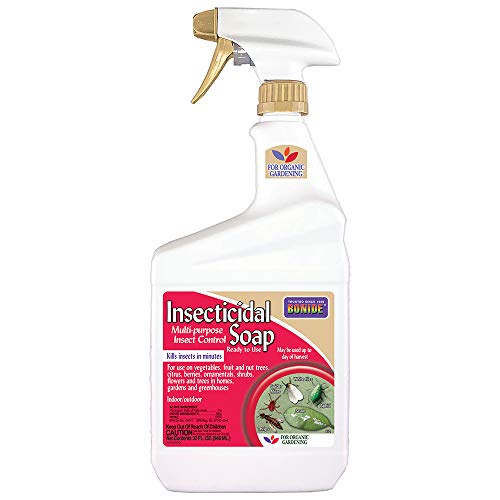
Next, rinse the foliage with a gentle spray from the hose. This washes off dust, aphids and spider mites. If you see insects, treat the plant with insecticidal soap and let it dry before bringing it in.
You can also soak smaller pots in a tub of water for 15 minutes. This pushes out insects hiding in the soil. Let the pot drain fully afterward.
Trim and Tidy
Remove dead, yellow or damaged leaves. They attract pests and can rot indoors. Pick off spent flowers too.

Trim leggy growth lightly to keep plants manageable and balanced. I’d avoid heavy pruning in fall. Plants grow slowly in winter, so big cuts take a long time to fill back in.
Repot Only If You Need To
Fall isn’t the best time to repot. Most plants are slowing down, and fresh soil stays wet longer in low winter light.

Only repot if roots are crowded, circling the pot or growing out of the drainage holes. If you do, go up just one pot size, about 1 to 2 inches wider. Use fresh potting mix and a pot with drainage holes.
Overwintering Plants Indoors
Indoors, put plants in your brightest window or under grow lights, and keep them away from heat vents and cold drafts. They’ll grow slowly, so they need less water and little or no fertilizer.

Finding the Right Spot
Light is the biggest challenge indoors. Days are short, and the sun sits low in the sky. A south or west window is usually best in winter.
Here’s a quick guide to matching plants with spots:
| Plant type | Best indoor spot | Notes |
|---|---|---|
| Citrus | South window or under strong light | Needs the most light; drops leaves in dim spots |
| Rosemary | Cool, bright south window | Likes cooler rooms; avoid overwatering |
| Geraniums | Sunny window | Will stretch in low light; pinch back as needed |
| Begonias | East or west window | Prefer bright, indirect light |
| Tropical foliage plants | Bright, indirect light | Handle lower light than flowering plants |
| Hibiscus | South window | May drop some leaves at first; usually recovers |
If you don’t have enough bright windows, grow lights fill the gap. A full-spectrum white LED set 6 to 12 inches above the leaves and run 12 to 16 hours a day on a timer works for most plants.
See my guide to the best grow lights for indoor plants for setup tips.
Dealing With Dry Indoor Air
Heated homes have low humidity, often much lower than plants are used to outdoors. Tropicals may get brown leaf tips or crispy edges.
Group plants together. They release moisture into the air around each other, which raises humidity a bit. A tray filled with pebbles and water under the pots helps too. Just keep the pot bottoms above the waterline.
Keep plants away from heat vents, radiators and space heaters. Also keep them away from drafty doors and cold window glass. Leaves touching cold glass at night can get damaged.
Expect Some Leaf Drop
Many plants drop leaves in the first few weeks indoors. This is normal. They’re adjusting to lower light and different humidity.
Citrus, hibiscus and weeping fig are especially prone to this. Don’t panic and start overwatering or fertilizing. Keep conditions steady, and new growth usually appears once the plant settles in.
Overwintering in a Garage or Cool Room
A cool, dim space around 40 to 50°F works well for plants that can go dormant. These plants rest through winter and need only a little water about once a month.
Plants That Do Well Dormant
Dormant storage is a great choice when you’re short on window space. These plants handle it well:
- Fuchsia
- Geraniums
- Fig trees in pots
- Canna rhizomes
- Dahlia tubers
- Many hardy plants in pots that are borderline for your zone
Tropical foliage plants and citrus don’t belong here. They need light and warmth through winter.
Choosing and Setting Up the Space
An unheated but attached garage, a cool basement or an unheated spare room often stays in the right range. The key is that it stays cool but doesn’t drop much below freezing.
Put a simple thermometer in the space for a few weeks before you move plants in. If temperatures swing wildly or drop into the 20s, the spot is too cold. Detached garages often get too cold in northern states.
Keep plants off cold concrete floors by setting them on wooden boards or shelves. Keep them away from car exhaust and any stored chemicals.
How to Store Each Type
Each type of dormant plant needs slightly different handling. Here’s how I’d store the common ones:
| Plant | How to prepare | Storage care |
|---|---|---|
| Geraniums | Cut back by about half, leave in pot | Water lightly about once a month |
| Fuchsia | Trim back, keep in pot | Water lightly about monthly; leaves will drop |
| Fig trees | Let leaves drop after first light frost | Water about monthly so roots don’t dry out |
| Canna | Cut foliage after frost, dig rhizomes or leave in pot | Keep pot soil barely moist, or store rhizomes in dry peat or sawdust |
| Dahlia tubers | Dig after frost blackens leaves, let dry a few days | Store in a box with dry peat, sawdust or vermiculite |
Check stored plants and tubers every few weeks. Remove anything soft, moldy or rotting. If tubers look shriveled, mist the packing material very lightly.
Watering is the step people most often get wrong here. Dormant plants need very little. The goal is to keep roots from drying out completely, not to keep the soil moist.
Overwintering Hardy Plants Outdoors in Pots
Hardy perennials and shrubs can stay outside in pots if they’re rated one or two zones colder than yours. Pot roots freeze more easily than roots in the ground, so they need that extra margin and some protection.
Why Pots Need Extra Protection
In the ground, soil insulates roots from the worst cold. In a pot, roots are surrounded by air on all sides. They can freeze solid in a way they never would in a garden bed.
That’s why the zone rule matters. If you live in zone 6, choose plants hardy to zone 4 or 5 for pots that stay out all winter. A plant rated only to zone 6 may survive in the ground but die in a container.
Pot material matters too. Terra cotta and some ceramic pots can crack when wet soil freezes and expands. Plastic, fiberglass, resin and thick wood hold up better outdoors.