
Philodendrons are some of the most popular houseplants in America. They grow fast, forgive missed waterings, and fill a room with green. If you share your home with a curious cat, though, you’ve probably wondered: is philodendron toxic to cats?
The short version is yes, and it’s worth taking seriously. In this guide, I’ll explain why philodendron hurts cats, what symptoms look like, what to do right away, and how to keep your plants and pets safe together.
Is Philodendron Toxic to Cats
Yes. The ASPCA lists philodendron as toxic to cats, and every part of the plant (leaves, stems, and roots) can cause problems if your cat chews it.
The good news is that most cases are mild to moderate. The bad news is that they’re painful for your cat, and some cases need a vet fast.
What the ASPCA Says
The ASPCA includes philodendron on its list of plants toxic to both cats and dogs. The cause is insoluble calcium oxalate crystals inside the plant tissue.
The listed signs include mouth irritation, drooling, vomiting, and trouble swallowing. These match what most cat owners see when a cat takes a bite of a leaf.
I always treat the ASPCA list as my first stop. If a plant is on it, I assume it doesn’t belong anywhere my cat can reach.
All Philodendron Types Count
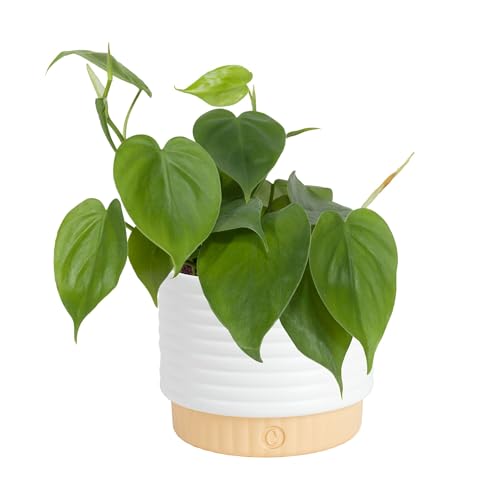
There are hundreds of philodendron species and cultivars. Heartleaf philodendron, Brasil, Pink Princess, and the large tree types all belong to the same plant family, Araceae.
That family is known for calcium oxalate crystals. So my advice is simple: if the tag says philodendron, treat it as toxic to cats.
This includes “split-leaf philodendron.” That name usually refers to Philodendron selloum, now classified as Thaumatophyllum bipinnatifidum, or tree philodendron. Monstera deliciosa is also sold under that name, and it’s a different plant, but it’s also toxic to cats.
Simple Gear That Helps Right Away
You don’t need to throw out your plants. A couple of inexpensive products make a big difference.
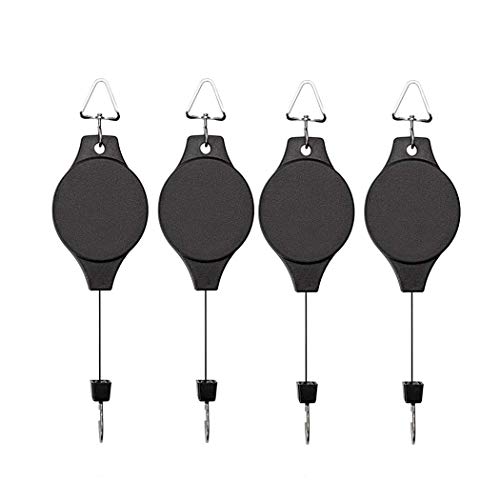
- A hanging planter or a high shelf. Raising a trailing philodendron out of jumping range is the fastest fix for most homes.
- A pot of cat grass. Many cats chew plants because they like the texture. Giving them a safe green to nibble often pulls attention away from your houseplants.
Neither option is foolproof on its own. Cats climb, and some cats ignore cat grass. Still, together they lower the risk a lot.

Why Philodendron Is Harmful
Philodendron is harmful because its tissue is packed with tiny, needle-shaped calcium oxalate crystals. When a cat bites down, those crystals are released and stab into the soft tissue of the mouth.
That’s why the reaction is usually fast and focused on the mouth and throat. It’s a physical irritation more than a slow poisoning.
How Calcium Oxalate Crystals Work
The crystals sit inside special cells in the plant. Chewing breaks those cells open and pushes the sharp crystals out.
They lodge in the lips, tongue, gums, and throat. The result is burning, stinging pain that most cats notice within moments.
The word “insoluble” matters here. These crystals don’t dissolve easily, which is why the irritation can linger for a while even after your cat stops chewing.
Why Cats Rarely Eat a Lot
The pain works like a built-in warning system. Most cats take a bite, feel the burn, and stop.
That’s one reason serious cases are uncommon. Your cat usually doesn’t swallow enough to cause deep trouble further down the digestive tract.
Even so, a small amount still hurts. A kitten, a very persistent chewer, or a cat with other health problems may react more strongly.
The Sap Irritates People Too
Philodendron sap isn’t just a pet problem. It can irritate human skin and eyes as well.

That’s why I wear gloves when I cut stems or remove leaves. If you’re tidying up a big plant, my guide to pruning a split-leaf philodendron covers safe cutting and cleanup.
Always pick up dropped leaves and trimmings right away. A fresh cut leaf on the floor is an easy target for a bored cat.
Symptoms to Watch For
Symptoms usually start soon after your cat chews the plant, often within minutes. Most signs involve the mouth, and they’re often mild to moderate.
Knowing what to look for helps you act quickly and calmly.
Common Mild to Moderate Signs
These are the signs most owners notice first:
- Heavy drooling or foaming at the mouth
- Pawing at the face or mouth
- Shaking the head
- Vomiting
- Trouble swallowing or refusing food
- Red or irritated lips, gums, or tongue
- Crying, hiding, or acting unusually restless
Your cat may also lick their lips over and over. Some cats simply act “off” and won’t settle down.
Emergency Warning Signs
Some symptoms mean you should call a vet right away, without waiting. Swelling is the big one.
- Swelling of the mouth, tongue, lips, or throat
- Trouble breathing, noisy breathing, or open-mouth breathing
- Repeated vomiting that won’t stop
- Extreme weakness or collapse
Throat swelling can block the airway. Don’t wait to see if it improves on its own.
Symptom Severity at a Glance
| Symptom | Typical Severity | What to Do |
|---|---|---|
| Drooling | Mild | Rinse mouth, monitor, call vet or poison control |
| Pawing at mouth | Mild | Rinse mouth, offer water, call for advice |
| Vomiting once or twice | Mild to moderate | Call vet or poison control |
| Refusing food or water | Moderate | Call your vet |
| Mouth or throat swelling | Serious | See a vet right away |
| Trouble breathing | Emergency | Go to an emergency vet now |
What to Do If Your Cat Chews Philodendron
Stay calm, clear any plant bits from your cat’s mouth, rinse gently, and call your vet or the ASPCA Animal Poison Control Center at (888) 426-4435. If you see swelling or breathing trouble, go to a vet immediately.
Quick action can make your cat more comfortable and catch problems early.
First Steps at Home
Here’s what I’d do, in order:
- Move your cat away from the plant. Put the plant in a closed room so it can’t happen again.
- Remove plant pieces. Gently check the mouth and wipe out any bits of leaf you can see. Don’t force anything if your cat is fighting you.
- Rinse the mouth gently. Use a damp cloth or a small amount of cool water to wipe the gums and tongue.
- Offer fresh water. Drinking can help rinse away some of the crystals.
Some people offer a small amount of milk or broth to soothe the mouth. Ask your vet first before you give anything besides water.
Who to Call and What to Tell Them
Call your regular vet or the ASPCA Animal Poison Control Center at (888) 426-4435. Be aware that a consultation fee may apply.
Have these details ready:
- Your cat’s age, weight, and any health conditions
- The type of plant, if you know it
- About how much was chewed and when
- The symptoms you’re seeing right now
If you can, take a photo of the plant or bring a leaf in a sealed bag to the vet. That helps confirm what your cat ate.
What Not to Do
Do not induce vomiting unless a vet tells you to. Vomiting can drag those sharp crystals back through the throat and make irritation worse.
Don’t give human medicines, home remedies from the internet, or hydrogen peroxide. These can cause new problems.
Also, don’t assume a cat is fine just because the drooling stops. Keep watching for a few hours, and call again if anything changes.
Is Philodendron Toxic to Dogs Too
Yes. The ASPCA lists philodendron as toxic to dogs as well, for the same reason: insoluble calcium oxalate crystals.
If you have a dog and a cat, the same safety plan protects both.
Symptoms in Dogs
Dogs show signs very similar to cats. You’ll often see drooling, pawing at the mouth, vomiting, and trouble swallowing.
Dogs tend to chew with more enthusiasm, especially puppies. A dog may swallow more plant material before the pain stops them.
The same warning signs apply. Swelling of the mouth or throat, or labored breathing, means you need a vet right away.
Why Dogs Can Be Harder to Protect
Cats jump, but dogs dig and knock things over. A floor-level philodendron is easy prey for a curious puppy.
Dogs also grab fallen leaves and carry them off. That makes cleanup after pruning extra important in dog households.
Quick Comparison: Cats vs. Dogs
| Factor | Cats | Dogs |
|---|---|---|
| ASPCA toxicity listing | Toxic | Toxic |
| Toxic compound | Insoluble calcium oxalate | Insoluble calcium oxalate |
| Common signs | Drooling, pawing, vomiting | Drooling, pawing, vomiting |
| Typical risk zone | High shelves and counters | Floor level and low tables |
| Best prevention | Hanging planters, closed rooms | Tall plant stands, closed rooms |
How to Keep Cats Away From Philodendron
The most reliable way to protect your cat is to put philodendrons where your cat can’t reach them. Deterrents and distractions help, but placement does the heavy lifting.
I think about it in layers: location first, then deterrents, then good habits.
Smart Placement
Philodendrons need bright, indirect light to look their best. Harsh direct sun scorches leaves, and low light makes them leggy with small leaves.
That gives you a few good spots:
- Hanging planters near a bright window, with no furniture nearby for launching
- A room your cat can’t enter, like a home office or spare bedroom
- Tall plant stands placed away from shelves, beds, and cat trees
Remember that trailing vines grow down over time. Trim them back so they don’t dangle within paw range.
Big tree philodendrons are harder to hide. If you love those dramatic leaves, check out my list of indoor plants with big leaves and look for pet-safe options before you buy.
Deterrents That Can Help
Cats dislike certain textures and smells. A few simple tricks can make plants less appealing:
- Cover the soil surface with large decorative stones so cats can’t dig
- Place double-sided tape or a textured mat around the plant base
- Use citrus peels near the pot, since many cats dislike the smell
A chunky, airy potting mix can also help, since some cats are drawn to soft, fine soil for digging. My guide to the best soil mix for philodendron selloum explains a well-drained blend of potting mix, orchid bark, and perlite.
Don’t spray plants with anything meant for skin or food. Stick to physical barriers.