
A full, healthy hanging basket comes down to a few choices made on planting day. Learning how to plant a hanging basket the right way means the right container, a good potting mix, plants that get along, and steady care for the first few weeks.
I’ll walk you through each step, from gathering supplies to tucking plants into the sides of a wire frame. By the end, you’ll know what to buy, how many plants to use, and how to keep your basket thriving all season.
What You Need Before You Start
You need a basket, a liner if the basket is open, fresh potting mix, a slow-release fertilizer, your plants, and water. Gather everything first so the roots aren’t sitting out drying while you hunt for supplies.
The Basic Supply List
Here’s what I set out before I start planting:
- A hanging basket with a sturdy chain or hanger
- A liner for open wire or metal frames
- Fresh potting mix (never garden soil)
- A granular slow-release fertilizer
- Plants, watered an hour or so before planting
- A trowel, scissors or a utility knife, and a watering can
- A bucket or large pot to rest the basket in while you work
Setting the basket inside a bucket keeps it steady. It also saves your back, since you won’t be holding it while you plant.
Product Types Worth Having on Hand
If you’re using a wire basket, coco liners are the most common choice. They’re made from coconut fiber, they look natural, and they let air reach the roots.
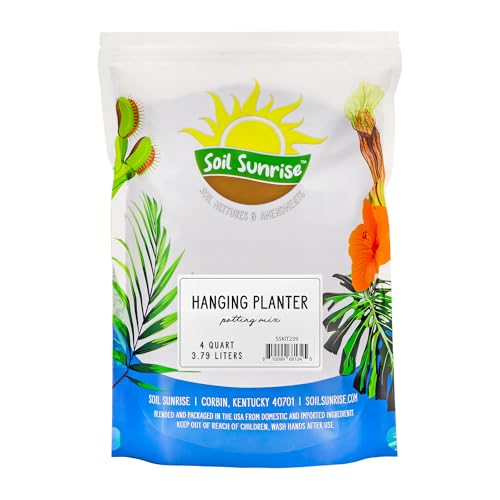
The other product I always mix in is a granular slow-release fertilizer. It feeds the plants slowly for weeks and gives them a steady base. You’ll still add liquid feed later in summer, but this gets them started on the right foot.
Why Potting Mix Matters
Garden soil is too heavy for a hanging basket. It packs down, holds too much water at the bottom, and starves roots of air.

A good potting mix stays light and drains well. It also keeps the basket from getting too heavy to hang safely once it’s watered.
Choosing the Basket and Liner
Pick the biggest basket your hook and space can handle, and choose a liner that matches how much time you have for watering. Bigger baskets and moisture-holding liners are more forgiving.

Basket Size and Material
Size matters more than most people think. Bigger baskets, 12 to 16 inches or more, hold more potting mix and more water. That means fewer emergencies on hot days.
Small baskets look cute at the garden center. But they can dry out so fast that they need water twice a day in summer heat or wind.
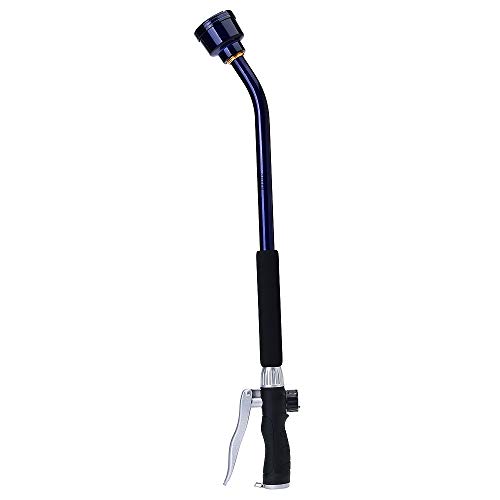
Here’s a quick look at common basket types:
| Basket Type | Pros | Cons |
|---|---|---|
| Open wire frame | Lets you plant the sides, classic look | Needs a liner, dries out fast |
| Solid plastic | Light, holds moisture well, cheap | Can’t plant the sides |
| Self-watering | Built-in reservoir, less daily watering | Heavier, costs more |
| Resin or composite | Durable, holds moisture | Limited side planting |
Picking the Right Liner
Liners change how often you’ll water. Coco liners breathe well, but they dry fastest of all. In a hot, sunny spot, that matters a lot.
Plastic-backed liners hold moisture longer. Self-watering baskets do the same with a reservoir at the bottom. If you travel or have a busy schedule, these are my advice.
| Liner or Basket | Air Flow | Moisture Holding | Best For |
|---|---|---|---|
| Coco liner | High | Low | Shade, cool spots, daily waterers |
| Plastic-backed liner | Medium | Medium to high | Sunny spots, busy gardeners |
| Self-watering basket | Medium | High | Heat, wind, travel |
Check Your Hanger and Hook
A freshly watered basket is heavy. Make sure your hook is screwed into solid wood or a sturdy bracket, not just trim or siding.
Also check the chain and clips. Rusty or bent hardware can give way in a summer storm, and nobody wants a basket on their head.
Picking Plants That Work Together
The best baskets combine plants with the same sun and water needs, arranged as a thriller, filler and spiller. Get those two things right and the rest is easy.

Thriller, Filler, Spiller
This simple formula works for nearly every basket. The thriller is an upright plant that adds height in the center. The filler is a mounding plant that fills the middle. The spiller trails over the edge.
In a hanging basket, spillers do a lot of the work. People often see your basket from below, so trailing plants carry most of the show. If you want ideas, my list of container plant combinations is a good place to start.
Match Sun and Water Needs
This is the rule I won’t bend on. A sun-loving plant and a shade plant in the same basket will never both be happy. One will always struggle.
Here’s a simple guide for matching plants:
| Light | Flowering Plants | Trailing Foliage |
|---|---|---|
| Full sun | Petunia, calibrachoa, verbena, lantana, portulaca, scaevola, bacopa, ivy geranium | Sweet potato vine, licorice plant, silver dichondra |
| Part shade | Lobelia, begonia, torenia | Creeping Jenny, sweet potato vine |
| Shade | Fuchsia, begonia, impatiens, torenia, ferns | Creeping Jenny |
For hot porches and south-facing walls, look for tough plants that handle heat. I’ve rounded up hanging plants that survive high temperatures if your spot bakes in summer.
Think About Color and Purpose
Pick two or three main colors so the basket looks planned, not random. Pink and purple is a classic pairing, and I have a whole list of hanging plants with pink and purple flowers if you love that look.
Baskets don’t have to be just for flowers, either. Everbearing or day-neutral strawberries, trailing cherry tomatoes, thyme, oregano, and lettuce all grow well in hanging baskets. Hummingbird fans can pick tubular red, orange and pink flowers like fuchsia, salvia, cuphea, and lantana.
How Many Plants to Use
A 12-inch basket holds about 3 to 5 plants, and a 14- to 16-inch basket holds about 5 to 7. Go toward the higher number if you want a full look fast.
Plant Count by Basket Size
Use this as a starting point:
| Basket Size | Number of Plants | Notes |
|---|---|---|
| 10 inches | 2 to 3 | Dries out fast, keep it simple |
| 12 inches | 3 to 5 | Most common size |
| 14 to 16 inches | 5 to 7 | More room, holds more water |
| Wire basket with side planting | Add 4 to 8 small plugs in sides | Uses small starter plants |
These numbers assume plants from standard nursery pots. If you use small plugs or cell packs, you can fit a few more.
Full Now or Full Later
Commercial baskets look packed because they’re planted heavily and fed often. You can do the same, but crowded baskets need more water and fertilizer all season.

If you plant on the lighter side, give the basket a few weeks. Vigorous plants like petunias and calibrachoa fill in quickly once the weather warms.
Factor In Plant Size
Not all plants grow at the same rate. One sweet potato vine can take over a whole side of a basket. A single lobelia stays small and delicate.
Read the plant tags for mature spread. Use fewer plants when you’re combining big growers, and more when you’re using small, compact ones.
Planting a Hanging Basket Step by Step
Start with moist potting mix, add slow-release fertilizer, set the thriller in the center, add fillers and spillers around it, and water well. Here’s how to plant a hanging basket from start to finish.
Step 1: Prepare the Basket and Mix
Set the basket in a bucket or large pot so it sits steady. If it’s a wire frame, press the liner in and trim any extra that sticks up above the rim.
Moisten the potting mix before it goes into the basket. Dry mix can repel water, and wet mix settles more evenly around roots. Stir in the slow-release fertilizer according to the package directions.
Fill the basket about halfway to two-thirds full. Don’t add rocks, gravel, or broken pots to the bottom. They don’t improve drainage, and they actually raise the soggy zone closer to the roots.
Step 2: Arrange the Plants
Before planting, set the plants on top of the mix while they’re still in their pots. Move them around until you like the layout.
Put the thriller in the center, or toward the back if the basket hangs against a wall. Space fillers around it. Place spillers along the edge, angled slightly outward so they trail over the rim.
Step 3: Plant and Finish
Gently slide each plant out of its pot. If the roots are circling tightly, loosen them with your fingers so they grow outward into the fresh mix.
Set each plant at the same depth it grew in the nursery pot. Fill gaps with potting mix and press lightly to remove big air pockets, but don’t pack it hard.
Leave about 1 inch between the top of the mix and the rim of the basket. That space holds water while it soaks in, instead of letting it run off the sides.
Water slowly until it drains from the bottom. If the mix settles and exposes roots, top it up and water again.
Planting the Sides of a Wire Basket
To plant the sides, cut small slits in a coco liner, wrap each root ball in a strip of paper or plastic, push it through from the inside, and then remove the wrap.
Side planting gives you a ball of flowers instead of just a top.