
Blueberries are one of the most rewarding fruits you can grow at home. The bushes are pretty in every season, and a healthy plant can produce for decades.
Learning how to grow blueberries comes down to one big idea: give them acidic soil, steady moisture, and plenty of sun.
In this guide, I’ll walk you through choosing the right varieties, getting your soil pH right, planting, feeding, pruning, and harvesting. I’ll also cover container growing and the most common problems, with simple fixes for each.
Choosing Blueberry Varieties for Your Zone
Pick a blueberry type that matches your USDA hardiness zone, then plant at least two varieties of that same type. Matching type to climate is the first step toward a big harvest.
Blueberries fall into five main groups. Each one handles cold, heat, and chill hours differently, so this choice matters more than almost anything else you’ll do.
The Main Types of Blueberries
Here’s how the five types compare:
| Type | USDA Zones | Mature Size | Best For |
|---|---|---|---|
| Northern highbush | 4 to 7 | 5 to 6 feet tall | Cold winters, classic large berries |
| Southern highbush | 7 to 10 | 4 to 6 feet tall | Mild winters, low-chill areas |
| Rabbiteye | 7 to 9 | Tall, often 6 feet or more | Hot summers, some drought tolerance |
| Half-high | 3 to 7 | 2 to 4 feet tall | Very cold areas, small spaces, pots |
| Lowbush | 3 to 7 | Groundcover | Cold climates, edging, wild-style plantings |
Northern highbush is the most widely grown type in cooler parts of the country. Popular varieties include ‘Bluecrop’, ‘Duke’, and ‘Jersey’.
Southern highbush types need fewer winter chill hours. That makes them a smart pick for the South and warmer coastal areas. ‘O’Neal’ and ‘Sunshine Blue’ are common choices.
Rabbiteye blueberries are tough, tall, and handle heat well. Varieties like ‘Tifblue’, ‘Powderblue’, and ‘Brightwell’ do well across the Southeast.
Half-high types are crosses between highbush and lowbush. ‘Northblue’, ‘Chippewa’, and ‘Northcountry’ stay compact and survive harsh winters.
Why You Need Two Varieties
Plant at least two different varieties of the same type that bloom around the same time. Cross-pollination between them leads to bigger berries and heavier yields.
Many highbush types can set some fruit on their own. Still, you’ll get noticeably better results with a partner. Rabbiteye blueberries really do need two varieties to produce well.
My advice is to stick with one type, such as two northern highbush plants. Mixing types can leave you with bloom times that don’t line up.
What to Buy Before You Start
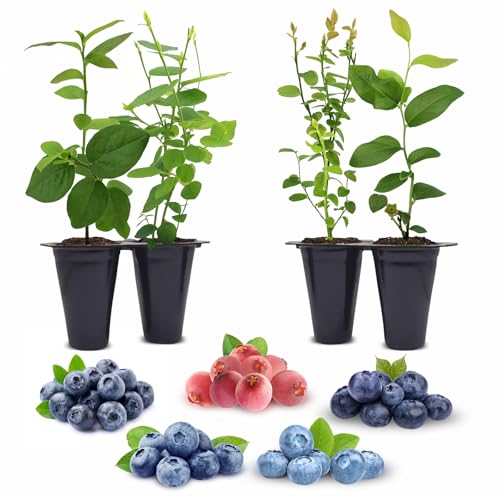
You need two basic products to get going. First, buy healthy blueberry plants, ideally 2 to 3 years old. Older plants settle in faster and fruit sooner than tiny starts.
Second, pick up a bag of elemental sulfur if your soil isn’t already acidic. It’s the standard way to lower soil pH, and you’ll want it on hand well before planting day.
When to Plant Blueberry Bushes
Plant blueberry bushes in early spring or fall. Bare-root plants go in during early spring, while container plants can go in anytime the ground is workable.
Good timing gives roots a chance to settle in before heat or hard cold arrives. That early root growth makes a big difference in the first year.
Spring Planting
Early spring is the classic planting time for blueberries. The soil is moist, temperatures are mild, and plants have a full season to grow roots.

Bare-root bushes should go in as soon as you can work the soil. They’re dormant when they arrive, so plant them quickly before they leaf out.
Fall Planting
Fall planting works well in many areas, especially where winters are mild. Roots keep growing in cool soil even after the top of the plant goes dormant.

In colder zones, plant at least six weeks before the ground freezes. That gives roots time to anchor before winter. A layer of mulch helps protect them.
Plan Your Soil Work Ahead
Blueberry planting really starts months before the bush goes in the ground. Sulfur takes time to lower pH, so the best plan is to prep the site the season before you plant.
If you want spring bushes, adjust the soil in fall. If you’re planting in fall, start in spring. This one step saves a lot of trouble later.
Soil pH and Preparing the Planting Site
Blueberries need acidic soil with a pH between 4.5 and 5.5, plus good drainage and full sun. Test your soil first, then lower the pH if needed before you plant.
This is the section that matters most. Get the soil right, and the rest of blueberry care becomes much easier.
Test Your Soil First
Most garden soils sit closer to neutral, around 6.0 to 7.0. That’s great for vegetables but too high for blueberries. At high pH, blueberries can’t take up iron and other nutrients well.
A home soil test kit gives you a fast pH reading. A lab test gives you more detail, including how much sulfur to add. The sampling steps are the same ones I cover in my guide to preparing soil for a vegetable garden.
Take soil from several spots in the planting area, about 6 inches deep. Mix the samples together for an accurate reading.

Lowering pH with Sulfur and Organic Matter
Elemental sulfur is the standard way to lower soil pH. Soil microbes slowly convert it to an acidic form, which is why it needs months to work.
Apply sulfur based on your soil test and the product label. Sandy soil needs less to change pH, and clay soil needs more. More is not better, so don’t guess.
Mix in acidic organic matter at planting time too. Good options include:
- Peat moss, moistened before mixing in
- Pine bark fines
- Acidic compost, such as compost made from pine needles or oak leaves
Avoid lime, wood ash, and alkaline fertilizers anywhere near your blueberries. All of them raise pH, which is the opposite of what you want.

| Soil pH | What It Means | What to Do |
|---|---|---|
| Below 4.5 | Too acidic | Hold off on sulfur, retest in a few months |
| 4.5 to 5.5 | Ideal for blueberries | No change needed |
| 5.5 to 6.5 | Too high | Add elemental sulfur per your test |
| Above 6.5 | Much too high | Consider raised beds or containers |
Choosing a Sunny, Well-Drained Spot
Blueberries need full sun, at least 6 to 8 hours a day. Shade means fewer flowers and smaller harvests.
Drainage matters just as much. Blueberry roots are shallow and fine, and they rot in soggy ground. If water puddles after rain, plant in a raised bed or mound instead.
Raised beds also make it easier to control soil pH. If your native soil is very alkaline, filling a bed with an acidic mix is often simpler than fighting the ground.
Learn more about soil blends in my guide to the best soil for growing plants.
Planting Blueberry Bushes Step by Step
Dig a hole as deep as the root ball and twice as wide. Set the crown at or slightly above soil level, loosen any circling roots, and water deeply.
Planting is quick once your soil is ready. Taking care with a few details helps your bushes establish fast.
Spacing Your Bushes
Give each bush room to grow. Space highbush blueberries 4 to 5 feet apart, with rows 8 to 10 feet apart if you’re planting more than one row.
Half-high types can go a bit closer, about 3 feet apart. Rabbiteye bushes get larger, so give them extra room. Good spacing improves air flow and makes picking easier.
| Type | Spacing Between Plants | Spacing Between Rows |
|---|---|---|
| Northern and southern highbush | 4 to 5 feet | 8 to 10 feet |
| Rabbiteye | 5 to 6 feet | 10 feet or more |
| Half-high | About 3 feet | 6 to 8 feet |
| Lowbush | 1 to 2 feet | Planted as a groundcover |
The Planting Steps
Here’s the process I recommend:
- Water the plant in its pot an hour before planting.
- Dig a hole as deep as the root ball and twice as wide.
- Mix peat moss, pine bark fines, or acidic compost into the soil you removed.
- Slide the plant out and gently loosen any roots circling the root ball.
- Set the plant so the crown sits at or slightly above the soil line.
- Backfill with the amended soil and firm it lightly with your hands.
- Water thoroughly to settle the soil around the roots.
Don’t bury the crown deeper than it grew in the pot. Planting too deep can lead to rot and slow growth.
Caring for New Plants
Newly planted bushes need steady water while their roots grow. Check the soil every few days during the first month.
Hold off on fertilizer at planting time. Fresh roots are tender, and strong fertilizer can burn them. Wait until the plant shows new growth.