
The right christmas cactus soil is loose, airy, and slightly moist, not gritty desert sand and not heavy potting dirt. This plant comes from a very different home than the cacti on your windowsill, and its roots behave differently too.
Get the mix right, and most other care problems get much easier.
In this guide, I’ll explain why this plant needs a special blend, share a simple DIY recipe, and cover pots, drainage, and timing.
You’ll also learn how to repot step by step and how to spot soil trouble before it costs you a season of blooms.
Why Christmas Cactus Needs a Different Soil
A Christmas cactus needs a different soil because it isn’t a desert plant. It’s a forest plant that grows on trees, so its roots want air and quick drainage along with steady, light moisture.
Where Christmas Cactus Grows in the Wild
Christmas cactus (Schlumbergera) is an epiphyte. That means it grows on tree branches and in rocky crevices instead of in the ground. In the wild, it lives in the coastal mountain forests of Brazil.
Those forests are humid and shady. The roots cling to bark, moss, and pockets of decaying leaves. Rain soaks them, then drains away fast. The roots almost never sit in wet, packed soil.
That natural setting is the model for a good potting mix. You want something that feels more like a forest floor than a sandy desert.
Why Desert Cactus Soil Falls Short
Standard cactus mix is built for plants that store water in thick stems and rot if their roots stay damp. It often contains lots of sand or grit and very little organic matter.
A Christmas cactus does store some water in its flat segments, but far less than a barrel cactus. In a very gritty mix, it can dry out too fast. The segments go limp and wrinkled, and buds may fall.
I see the same mismatch with tropical houseplants. If you’ve read my guide on can i use cactus soil for dieffenbachia, the logic is similar. Cactus mix can be one ingredient, but it shouldn’t be the whole recipe.
Why Plain Potting Soil Isn’t Enough
Regular potting mix sits at the other extreme. It’s usually peat- or coir-based, and it holds water well. On its own, it can stay too wet for these roots.
Over time, plain potting mix also breaks down and packs tighter. Air pockets shrink, and the roots struggle to breathe. That’s when rot gets a foothold.
The fix is easy. Start with potting mix for moisture, then add perlite for air and drainage. Those two product types are the backbone of nearly every good blend for this plant.
What Makes the Best Christmas Cactus Soil Mix
The best christmas cactus soil mix balances three things: moisture, air, and slight acidity. It should drain freely after watering yet still feel lightly damp a day or two later.

Balancing Moisture and Air
Roots need oxygen to stay healthy. When every air pocket in the soil fills with water and stays full, roots start to suffocate and die.
On the other hand, roots also need a steady sip of water. If the mix dries to dust, the fine root hairs shrivel.
A good blend holds water in some spaces and air in others at the same time. Chunky pieces like bark and perlite create the air gaps. Peat or coir in the potting mix holds the moisture.

The Key Ingredients and What They Do
Each ingredient in the mix has a job. Here’s how the common options stack up for this plant:
| Ingredient | What it does | How it fits a Christmas cactus |
|---|---|---|
| Potting mix (peat or coir base) | Holds water and some nutrients | Main base, about half to 60 percent |
| Perlite | Adds air and drainage | Essential, keeps the mix light |
| Fine orchid bark | Creates chunky air pockets, mimics tree bark | Excellent, matches its natural home |
| Coarse sand | Opens space for drainage | Use sparingly, adds weight |
| Cactus or succulent mix | Drains fast | Fine as a part, not the whole mix |
| Compost or worm castings | Adds slow nutrients | Small amounts only |
Fine orchid bark is my favorite addition. It copies the bark and leaf litter these plants cling to in the wild. It also keeps the mix from compacting as it ages.

The Right Soil pH
Christmas cactus prefers slightly acidic soil, with a pH of about 5.5 to 6.5. Most bagged potting mixes and peat-based blends already fall close to that range.
Peat and bark both lean acidic, so a blend made with them usually lands right where this plant wants it. You rarely need to test pH for a plant in fresh mix.
I’d only check pH if your plant stays pale and won’t grow despite good light and feeding. Simple test strips or an inexpensive meter work fine. Fresh mix fixes most pH problems faster than any additive.
A Simple DIY Christmas Cactus Soil Recipe
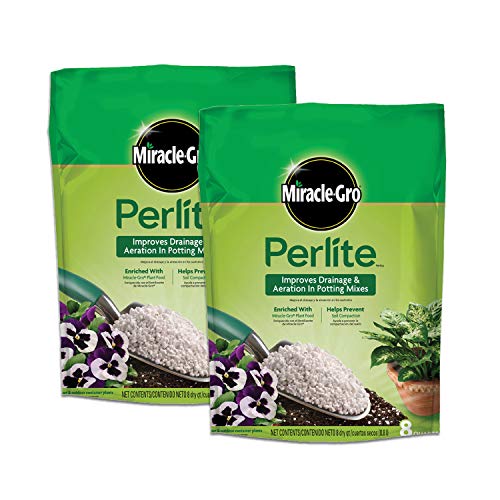
My go-to recipe is 2 parts potting mix, 1 part perlite, and 1 part fine orchid bark. That works out to roughly 60 percent potting mix and 40 percent perlite and bark.
My Go-To Blend
This blend is easy to make and uses ingredients you can find at almost any garden center. Measure by volume with any scoop, cup, or small pot.
For a plant in a 6-inch pot, this makes plenty:
- 2 cups standard indoor potting mix
- 1 cup perlite
- 1 cup fine orchid bark (pieces about ¼ inch)
- 1 small handful worm castings (optional, for gentle nutrients)
Pour everything into a bucket or tub. Add a splash of water and toss with your hands until the mix feels damp like a wrung-out sponge.
Then do a squeeze test. A good blend holds a loose shape for a moment, then crumbles when you poke it. If it packs into a firm ball, add more perlite or bark.
Using Store-Bought Succulent Mix
Bagged cactus and succulent mix can work if you amend it. On its own, many bags dry too fast for this plant.

My advice is to blend it about half and half with regular potting mix. Then stir in a handful or two of fine orchid bark for structure.
Bags vary a lot by brand. Some are mostly fine peat and behave like potting soil. Others are heavy with sand and grit. Read the ingredient list, and add more potting mix if grit or sand is listed first.
Adjusting the Mix for Your Home
Your climate changes how fast any mix dries. Here’s how I’d tweak the base recipe:
| Home conditions | Potting mix | Perlite | Orchid bark |
|---|---|---|---|
| Dry air, Southwest, or heated winters | 3 parts | 1 part | 1 part |
| Average home | 2 parts | 1 part | 1 part |
| Humid Southeast, or cool, low-light rooms | 1 part | 1 part | 1 part |
In heated homes, winter humidity can drop very low. A little more potting mix keeps the roots from drying out between checks.
Choosing the Right Pot and Drainage
The best pot for a Christmas cactus has drainage holes and is only slightly larger than the root ball. The material matters too, since it changes how fast the soil dries.
Why Drainage Holes Are Non-Negotiable
Drainage holes let extra water escape. Without them, water pools at the bottom and drowns the lowest roots, no matter how good your mix is.
A layer of gravel in a pot without holes won’t fix the problem. Water still collects in the soil above the gravel, so the wet zone actually sits closer to the roots.
If you love a decorative pot without holes, use it as a cover. Set a plastic nursery pot with holes inside it, and empty any water that collects after each watering.
Terracotta vs. Plastic
Terracotta is porous. It lets moisture evaporate through the walls, which helps the soil dry faster. That makes it a great choice for humid homes or anyone who tends to overwater.

Plastic holds moisture longer. It suits dry homes and people who sometimes forget to water. Glazed ceramic behaves much like plastic.
| Pot material | Drying speed | Best for |
|---|---|---|
| Terracotta | Fastest | Humid homes, heavy waterers |
| Plastic | Slower | Dry homes, light waterers |
| Glazed ceramic | Slower | Dry homes, decorative displays |
There’s no wrong choice here. Just match the pot to your habits and your climate.
Picking the Right Size
Bigger isn’t better for this plant. A large pot around a small root ball holds lots of soil the roots can’t reach, and that soil stays sogg