
If you just pruned your jade or knocked off a branch, don’t toss those pieces.
Each healthy stem or plump leaf can grow into a new plant, and it’s one of the easiest ways to propagate a jade plant (Crassula ovata) at home with almost no equipment.
The most reliable method is a 3- to 4-inch stem cutting, left to dry for 3 to 7 days, then set in dry cactus and succulent mix in bright, indirect light; it roots in about 3 to 6 weeks in spring or summer. Single leaves and water rooting work too, though they’re slower or riskier.
Jade propagation has one rule that beats all the others: keep fresh cuts dry until they seal. Most failed cuttings rot because they met wet soil too soon, so patience and a light hand with water carry you most of the way.
Stem Cuttings vs. Leaf Cuttings vs. Water Rooting
Stem cuttings in soil give you a decent-sized plant fastest and fail least often. Leaves are best when your jade is small. Water rooting is fun to watch but harder on the cutting later. If you are stocking up, a good potting mix is the first thing I would pick up.
Which Method Gives You a New Plant Fastest?
Stem cuttings win. They already have a trunk and leaves, so once roots form, you have a small jade that looks like a houseplant from day one.
A leaf has to grow roots and build a brand-new plantlet from scratch. That tiny rosette can take two months or more to show up, and a year to look like much.
| Stem Cutting (Soil) | Single Leaf | Stem in Water | |
|---|---|---|---|
| Time to roots | 3 to 6 weeks | 3 to 6 weeks | 4 to 6 weeks |
| Time to a usable plant | Right away | 4 to 12 months | After soil move |
| Success rate | High | Moderate | Moderate |
| Rot risk | Low | Low to moderate | Higher |
| Best for | Pruned branches | Small plants, fallen leaves | Watching roots grow |
When Does Each Method Make Sense?
I’d pick a stem cutting whenever your jade has a branch to spare. Pruning a leggy plant and rooting the tips gives you two good outcomes from one job.
Leaves make sense for young jades that can’t lose a branch without looking lopsided. They’re also the way to rescue leaves that drop on their own, and you can start a whole tray at once to improve your odds.
Water rooting is my last choice. Water roots are thin and soft, and the cutting has to adjust when it moves into gritty soil. Use it if you enjoy seeing progress, and plan for a careful transfer.
What Is the Best Time to Propagate a Jade Plant?
Late spring through early summer is the best window, from about April to June in most of the US. Jades are actively growing then, so cuttings root faster and have a full season to bulk up before winter.
Why Spring and Summer Work Best
Longer days and warm rooms between 65°F and 80°F push root growth along. A spring cutting can root in 3 to 6 weeks, while the same cutting in midwinter might take 8 to 10.
Summer works well too, with one catch. In hot Southeast and Southwest summers, keep fresh cuttings out of direct afternoon sun, which can wrinkle and scorch a stem that has no roots to replace lost water.
What Changes if You Start in Fall or Winter?
You can root jade in fall or winter indoors, just slower. Shorter days and cool windowsills slow everything, and a cutting sitting longer in soil gives rot more chances to set in.
If you start in the colder months, I’d do three things:
- Keep the pot somewhere around 70°F, away from drafty Northeast and Midwest windows.
- Give it the brightest spot you have, or a grow light for 12 to 14 hours a day.
- Water even less than you would in spring, since the soil dries slowly.
A seedling heat mat set near 70°F to 75°F helps winter cuttings move closer to spring speed.
What You’ll Need Before Taking Cuttings
Your supply list is short: clean cutting tools, a healthy parent plant, small pots, and fast-draining soil. Rooting powder is a nice extra, never a must.

Clean Tools and Healthy Plant Material
Use sharp pruners or a clean knife. A dull blade crushes the fleshy stem, and crushed tissue heals slowly and rots more easily.
Wipe the blade with 70% rubbing alcohol before you start and between cuts. Jade wounds are soft and moist, so a clean blade keeps fungus out.
Take cuttings only from a plant with firm, glossy, plump leaves. Skip wrinkled, yellow, or pest-damaged growth, and avoid cutting from a plant that’s flowering, since its energy is going into blooms.
A quick pet note: the ASPCA lists jade plant as toxic to cats and dogs, with vomiting, depression and incoordination as the main signs. Keep cuttings and drying trays out of reach.
Pots, Potting Mix, and Optional Rooting Powder
Small terracotta pots, 3 to 4 inches across with a drainage hole, are my favorite for cuttings. Clay wicks moisture out of the soil, so the mix dries evenly between drinks.
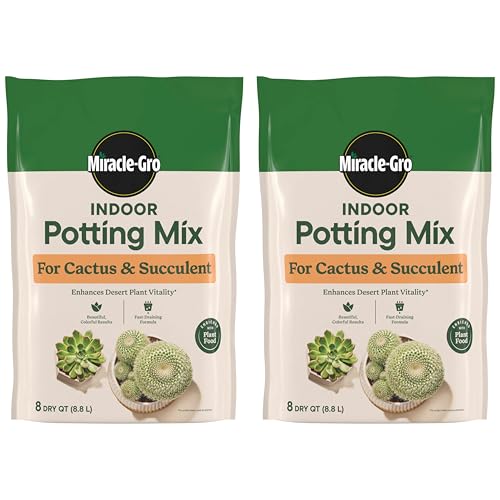
Fill them with a bagged cactus and succulent potting mix. If yours feels spongy, stir in perlite or pumice until it’s about half grit. Regular indoor potting soil holds too much water for an unrooted jade.
Rooting hormone powder is optional. It’s handy for woody stems or off-season cuttings, and a small jar lasts years.
Step 1: Take a Healthy Stem Cutting
Cut a firm, green tip 3 to 4 inches long with several sets of leaves. That size has enough stored water to keep it going and enough stem to anchor in the pot.
Which Stem Should You Choose?
Look for semi-mature growth: firm, green or lightly tan, and plump. Very old, bark-covered branches root, but slowly, and soft new shoots wilt fast.
Branch tips are ideal. They have energy stored in their leaves, and removing them encourages the parent plant to branch out where you cut.
Jade is easily propagated from stem or leaf cuttings, so any healthy branch is a good candidate.
Where Should You Cut and Remove Leaves?
On the parent plant, cut just above a leaf node (the ring or bump where leaves attach). New branches will sprout from that node, keeping the parent tidy.
On the cutting itself, pull off the bottom one or two pairs of leaves so you have 2 to 3 bare nodes at the base. Roots come from those nodes.
Leave 3 or 4 pairs of leaves at the top, and save the removed leaves to try as leaf cuttings.
Step 2: Let the Cut End Callus
Your cutting needs to dry until the cut end forms a callus, a dry, pale skin that seals the wound. Skipping this step is the most common reason jade cuttings rot.
How Long Should the Cutting Dry?
Plan on 3 to 7 days. In an average home with moderate humidity, 3 to 5 days is enough. Thick stems, humid summers in the Southeast, or damp basements call for 5 to 7.
The end is ready when it looks dry, slightly papery, and lighter in color, with no wet shine. If you’re unsure, give it one more day. A jade cutting can sit unplanted for a week or two without harm.
Where Should You Keep It While It Heals?
Lay the cutting on a dry paper towel or plate. Keep it somewhere warm and airy, around 65°F to 75°F, in bright shade or indirect light.
Keep it off soil, out of water, and away from direct sun. A shelf near a window or a kitchen counter works fine.
Step 3: Plant in Dry Succulent Mix
Once callused, push the cutting about 1 to 2 inches into dry cactus and succulent mix so the bare nodes are underground. Dry mix gives the sealed end a safe start.
How Deep Should You Set the Cutting?
Bury it deep enough to cover 2 to 3 bare nodes and stand upright, usually 1 to 2 inches for a 4-inch cutting. Keep the lowest leaves above the soil so they don’t sit on the surface and rot.
Firm the mix lightly with your fingers. If the cutting leans, prop it with a bamboo skewer, a few pebbles around the base, or loose twine. Avoid packing the soil hard, which squeezes out the air jade roots need.
If you have several cuttings, you can plant 3 or 4 around the edge of one pot for a bushier plant.
Should You Use Rooting Hormone Powder?
You don’t need it. Jade roots easily on its own in warm months.
I’d use it for woody stems or cuttings started in fall and winter. Dip only the callused tip, tap off the extra, and plant. A light dusting is plenty; extra powder adds nothing.
Step 4: Wait, Water Lightly, and Check for Roots
Leave the cutting dry for about the first week or two, then water lightly whenever the mix dries out. Most stem cuttings root within 3 to 6 weeks in spring and summer.
When Should You First Water the Cutting?
Give the first small drink after 7 to 14 days. The fleshy leaves carry enough water to tide the cutting over, and dry soil encourages roots to grow out looking for moisture.
After that, dampen the top inch of soil and let the mix dry completely before you water again. In a cool or humid room, stretch the gap.
Keep the pot in bright, indirect light, like a few feet from a south or west window, and skip plastic bags or humidity domes, which trap moisture and invite rot.
How Can You Tell It Has Rooted?
Use the tug test. After about 3 weeks, hold the stem near the soil and pull upward very gently. Resistance means roots have formed; a cutting that slides free needs more time, so tuck it back in.
Check no more than once a week, since each pull can snap tiny roots. Other good signs include plump, firm leaves and fresh green growth at the tip or along the stem.
How to Root a Jade Plant From a Single Leaf
A single leaf can grow its own baby plant, though it takes longer than a stem. Propagating jade plants this way is ideal for small plants and dropped leaves.
Remove an Intact Leaf and Let It Callus
Pick a plump, healthy leaf and wiggle it gently side to side until it pops off cleanly where it meets the stem. You need the whole base; a torn leaf or one missing that small attachment point won’t grow a plantlet.
Use your fingers. A knife can slice off the part that roots.
Let the leaves dry on a paper towel in a warm, shaded spot for 3 to 5 days, until the base looks sealed. I’d start 5 or 6 leaves at once, since some won’t take.
Set the Leaf on Soil and Watch for a Plantlet
Lay each leaf flat on a shallow pot or tray of dry cactus and succulent mix, or tuck just the base into the surface. Space them so they don’t touch, and never bury the whole leaf.
Keep the tray in bright, indirect light and lightly mist the soil every few days once you see roots. Here’s a realistic timeline:
- 2 to 4 weeks: thin pink or white roots appear at the base.
- 6 to 8 weeks: a tiny rosette pokes up beside the leaf.
- 3 to 4 months: the plantlet is 1 to 2 inches tall and read